Why raw photographs are not enough
When property owners hire informal caretakers, they frequently receive an unsorted gallery of fifty WhatsApp images once a month: a photo of a closed shutter, a close-up of a tile, a picture of a lawn. Without context, these images raise more questions than they answer. Was that crack in the terrace there last April? Is that water mark on the basement wall dry and historical, or cool and actively spreading?
A genuinely useful property report is an analytical document. It establishes a longitudinal baseline against which future changes can be objectively measured. When an insurer inquires whether an attic roof leak was caused by a sudden storm or by years of neglected maintenance, a structured archive of dated condition reports is the single piece of evidence that protects your claim.
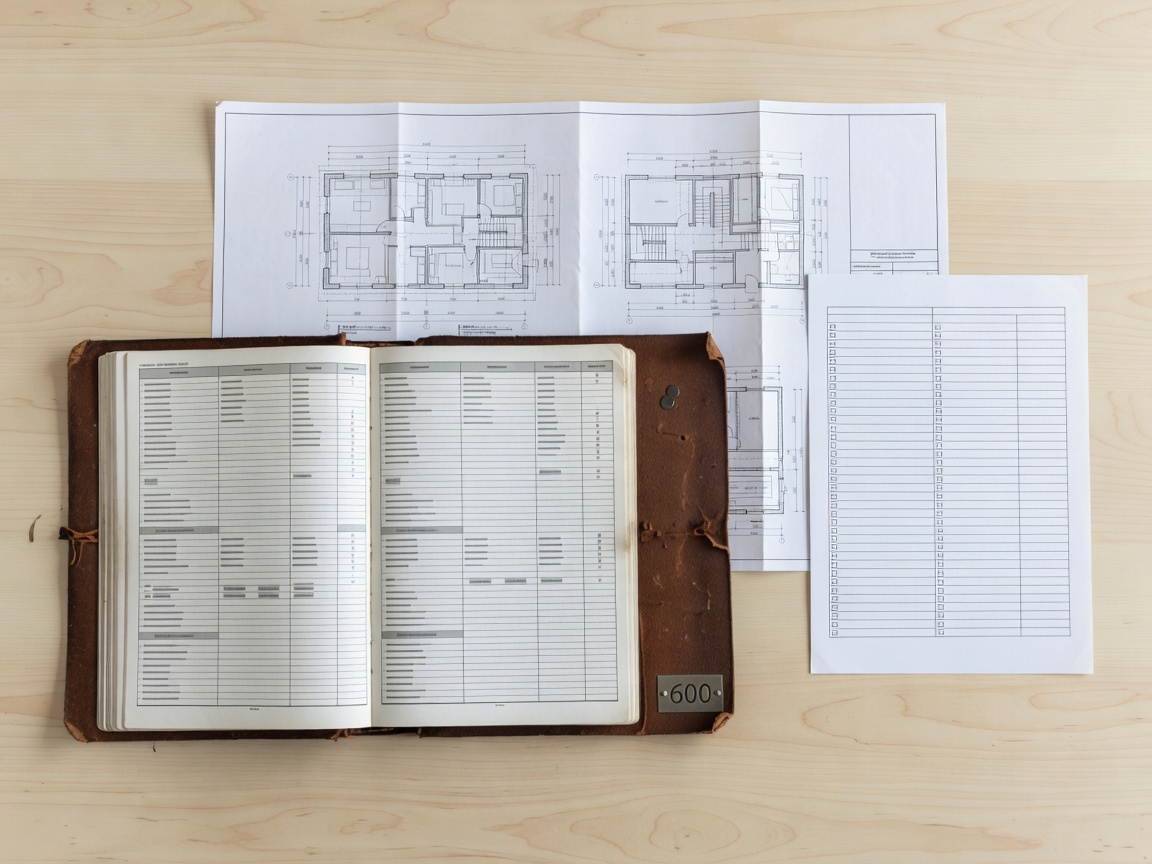
Anatomy of an effective property condition log
An organized report should follow a standardized structure, allowing the owner to digest critical information in under two minutes while keeping detailed technical logs accessible for tradespeople.
1. Executive overview and traffic-light triage
The front page must present a concise summary of property status using an objective classification system:
- Green (Nominal): All perimeter barriers secure, zero unexpected utility flow, normal moisture levels, heating/cooling operating within target bands.
- Amber (Advisory / Watchlist): Early signs of wear requiring scheduled attention within 60 days (e.g., slight gutter overflow streak, garden fence post wobbling, pool filter pressure rising slightly).
- Red (Action Required): Active threats to structural integrity or security requiring immediate owner authorization for intervention (e.g., failed sump pump, broken window pane, boiler lockout in sub-zero weather).
2. Environmental telemetry and meter tracking
A high-quality report logs quantitative data points alongside visual commentary:
Meter readings should be tracked chronologically. If water usage registers 12 cubic meters during a month when nobody set foot in the house, you have an underground pipe rupture or continuous toilet cistern overflow that demands immediate isolation. Similarly, logging indoor relative humidity alongside outdoor weather patterns highlights whether passive ventilation paths are performing as intended.
3. Paired wide-angle and macro photography
A close-up photograph of a cracked tile is useless without spatial orientation. Methodical reporting utilizes paired photographic evidence: one establishing wide shot clearly pinpointing the location on the building envelope (e.g. North-east roof valley, third course from gutter), followed by a macro shot with a physical reference scale (such as a coin or measurement tape) to record the precise crack width. On subsequent visits, repeating the shot from the exact same vantage point proves whether movement is static or actively progressing.
Sample Report Categories for European Homes
- Perimeter Security: Boundary walls, vehicular gates, latch engagement, external security lighting.
- Roof & Roofline: Ridge tiles, lead flashings, chimney pots, zinc gutters, downspout outlets.
- Moisture Assessment: Ground floor skirting damp readings, basement wall dampness, window reveal plaster condition.
- Mechanical Baseline: Primary boiler pressure (bar), oil/gas reserve percentage, domestic water pressure, RCD switch status.
- Grounds & Outbuildings: Sump pumps, borehole pumps, terrace drainage gullies, tree clearances from utility lines.
Digital record keeping and insurance defense
European property insurers are increasingly strict regarding extended vacancy clauses. If a burst pipe causes catastrophic drywall collapse in February, the adjuster's first question will be: "When was the property last inspected, and what evidence confirms it was properly heated and checked?"
Having a searchable digital archive of PDF reports—complete with GPS-stamped photographs and recorded water meter metrics—provides incontrovertible proof that you exercised responsible custodial care. This single archive often represents the difference between a fully settled six-figure claim and a total insurance denial based on alleged neglect.
How owners can make reporting easier to act upon
Clear reporting relies on two-way collaboration. Owners who provide explicit spending thresholds (e.g., "The local coordinator is pre-authorized to spend up to €200 to immediately isolate or repair an active water leak") allow inspectors to resolve immediate hazards during the visit rather than losing precious days waiting for email confirmations across different time zones.