Reactive versus preventive property stewardship
When property owners operate reactively, maintenance only happens when something visibly fails: a ceiling plaster slab collapses after water leaks, an oil burner shuts down during a freezing night, or dry rot buckles an exterior window lintel. For someone living on-site, a broken tap is inconvenient; for an owner who is two flight legs away, it can trigger days of scrambling, inflated emergency call-out fees, and secondary damage that costs five times the original repair.
Preventive maintenance changes the relationship between you and your home. Rather than waiting for materials to give out, components are cleaned, calibrated, and renewed based on known operational lifespans and climatic stresses.
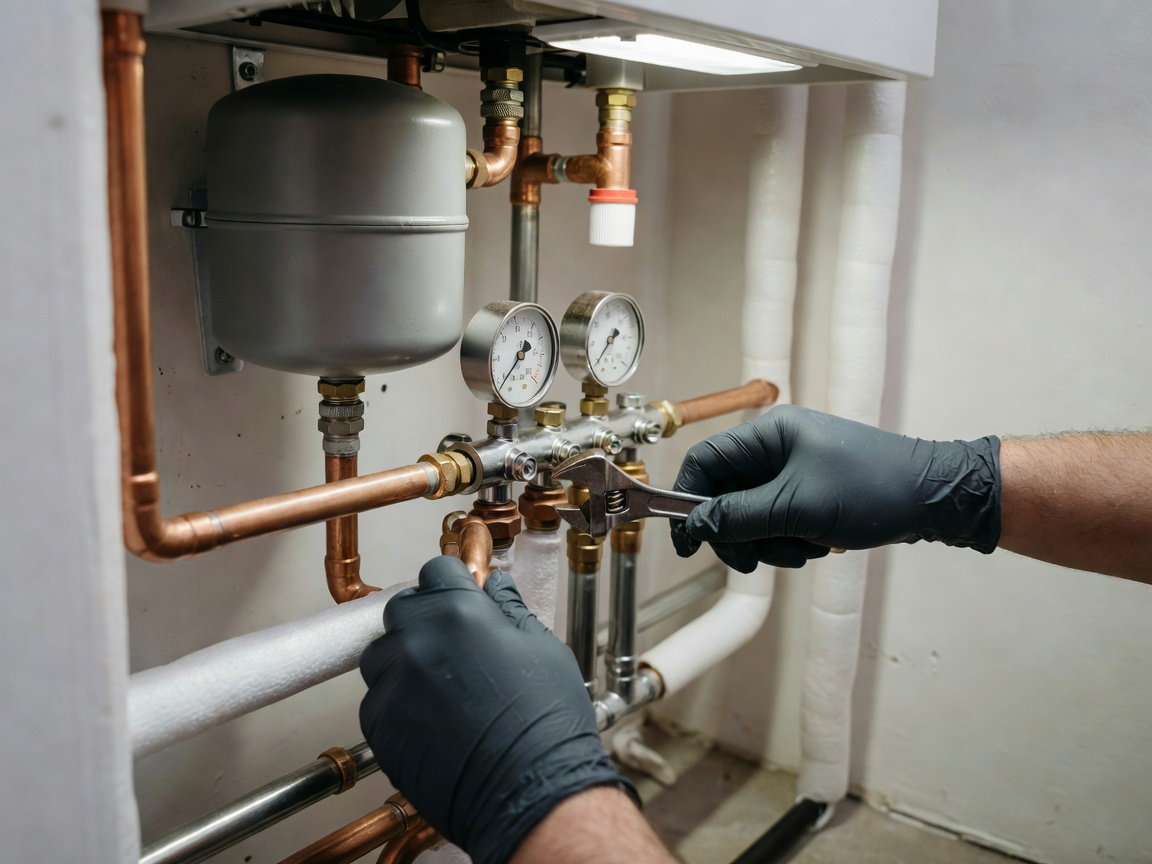
Key systems requiring planned intervention
Every home features mechanical, structural, and civil components that follow different wear curves. Addressing them proactively prevents compounding structural decline.
1. Heating, cooling, and ventilation mechanics
European climate control systems—whether a modern air-to-water heat pump in Sweden or an oil-fired radiator boiler in Burgundy—demand annual servicing. In hard water areas, heating coils accumulate limescale within two seasons, dramatically decreasing heat transfer efficiency and straining circulation pumps. Replacing burner nozzles, bleeding radiators of trapped air, and cleaning air conditioning filters every spring keeps energy bills stable and prevents sudden failures during seasonal occupancy.
2. Exterior drainage and rainwater management
Water is the universal enemy of residential masonry. Sub-surface perimeter drainage channels (such as French drains or gravel soakaways) can become choked with silt, clay wash, and roots over two or three wet seasons. When water cannot flow freely away from foundation walls, hydrostatic pressure forces moisture through stone footings, creating persistent capillary damp and efflorescence inside ground floor living spaces. Clearing gully traps and inspecting fall pipes twice a year keeps foundations dry.
3. Joinery, seals, and weatherstripping
Solid timber windows and external doors are hallmarks of European architecture, but they expand and contract with atmospheric moisture changes. Micro-fissures in external microporous stain or paint allow rain to penetrate the grain, leading to invisible core rot under intact surface paint. Biannual oiling of multipoint ironmongery, silicone seal renewal around exterior stone reveals, and prompt spot treatment of flaking finishes add decades to exterior woodwork.
4. Domestic appliances and standing circuits
Appliances in unoccupied properties suffer from prolonged stagnation. Washing machine and dishwasher supply hoses, under constant mains pressure, can develop micro-tears in their inner synthetic liners. Replacing rubber braided flexible hoses every five to seven years with stainless steel woven reinforced lines prevents the catastrophic burst events that ruin timber joists while homes sit empty.
Distinguishing Urgency in Scheduled Tasks
We classify maintenance into three clear categories:
- Urgent (Immediate): Active pressure drops, unseated roof slate over pedestrian path, sewer backup, failed sump pump.
- Preventive (Scheduled Within 30–60 Days): Gutter clearance, boiler annual calibration, exterior timber recoating, descaling hot water cylinders.
- Elective / Capital (Annual Planning): Chimney repointing, terrace re-grouting, perimeter fencing replacement.
Building a realistic annual maintenance calendar
A reliable maintenance schedule doesn't happen by chance. It aligns with European seasonal cycles so contractors work under optimal weather conditions without emergency premiums:
- Early Spring (March–April): Exterior facade inspection after winter frost; clearing garden drainage; servicing irrigation systems before summer heat; chimney inspections.
- Late Spring (May–June): Servicing cooling units and dehumidifiers; inspecting flat roof membranes for heat bubbling; timber oiling and exterior paint touch-ups.
- Autumn (September–October): Comprehensive boiler and heating system maintenance; sweeping flues; clearing fallen leaf mulch from roof valleys and ground gullies; checking window weatherstripping.
- Late Autumn (November): Exterior water isolation; draining garden hoses and outside taps; setting frost-stat temperatures; securing patio furniture and shutters against winter storms.
Trade-offs: Costs versus peace of mind
Preventive planning is not entirely free of downsides. It requires an upfront commitment of capital for systems that currently seem to be working perfectly. Some owners struggle with replacing a seven-year-old water heater relief valve or spending €300 on annual chimney and flue sweeping when the fireplace was only lit a few dozen times.
However, when balanced against the reality of flying out on short notice to deal with soaked carpets, coordinating trades across language barriers in the middle of Christmas week, or fighting with insurance adjusters who cite deferred maintenance exclusions, the calculated predictability of preventive care is unmatched.